
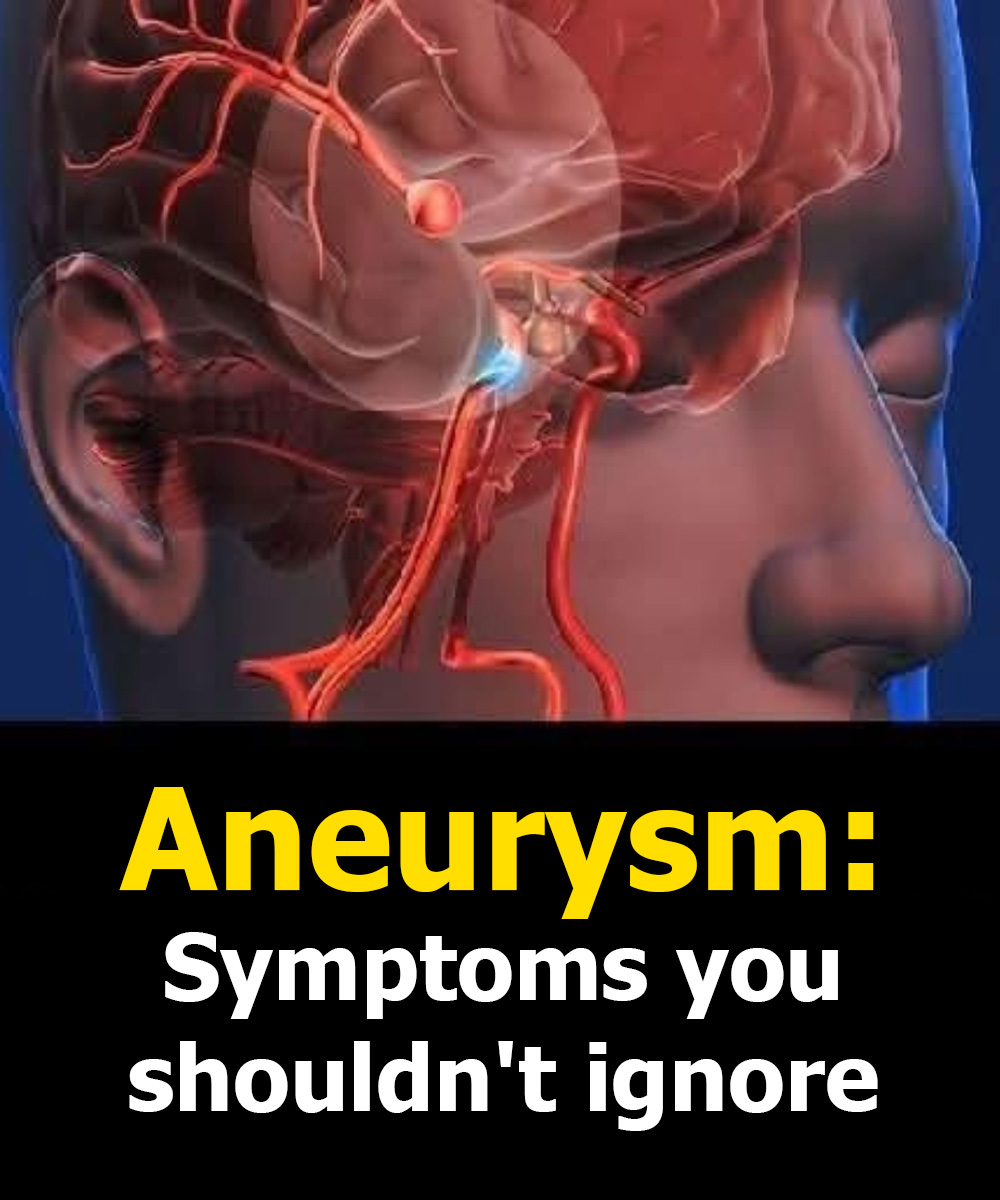
Aneurysms are one of those conditions people tend to misunderstand precisely because they often stay invisible—right up until they don’t. The silence around them allows myths to fill the gaps, and unfortunately, those myths can delay recognition or action when it matters most.
One of the most common assumptions is that aneurysms are a problem of old age. It sounds logical—after all, blood vessels do weaken over time. But biology is rarely that simple. While aging does increase risk due to gradual loss of elasticity and structural wear in vessel walls, aneurysms are not exclusive to later life. Younger individuals can develop them as well, particularly if there are inherited vulnerabilities in connective tissue, such as in conditions like Ehlers–Danlos syndrome, or if there are congenital weaknesses in the arteries. Add in factors like smoking or untreated high blood pressure, and the timeline of risk can shift significantly earlier than many expect.
Another deeply rooted misconception is that “no symptoms” means “no danger.” In reality, many aneurysms remain completely silent for years. The absence of symptoms doesn’t reflect safety—it often reflects the fact that the bulging vessel hasn’t yet begun pressing on surrounding structures. The danger lies in the gradual weakening of the arterial wall. Over time, the constant force of blood flow—what medicine refers to as hemodynamic stress—can thin that wall further. When it finally gives way, the result can be sudden and catastrophic, such as a subarachnoid hemorrhage in the brain.
Headaches, too, are often dismissed too quickly. Most headaches are harmless, which is why people tend to normalize them. But context matters. A sudden, explosive headache—often described by patients as the worst they’ve ever experienced—is not typical. It can be a sign that bleeding has already begun, with blood irritating the protective layers around the brain. This kind of pain is usually accompanied by other symptoms: nausea, stiffness in the neck, sensitivity to light, or even confusion. It’s less a “headache” and more a neurological alarm.
There’s also a tendency to believe that being generally healthy offers protection. While a balanced lifestyle does reduce many risks, aneurysms can still form quietly even in people who appear completely well. The underlying processes—microscopic inflammation, gradual breakdown of structural proteins like collagen, and subtle changes in blood flow—don’t always produce outward signs. Someone can feel fine, look healthy, and still carry an aneurysm without knowing it.
On the other side of the spectrum is an equally misleading belief: that every aneurysm is a ticking time bomb destined to rupture. That isn’t true either. Many aneurysms remain stable and never rupture at all. The actual risk depends on several variables—size, location, rate of growth, and the condition of the vessel wall. This is why doctors often choose careful monitoring rather than immediate intervention in certain cases. In others, they may recommend preventive procedures such as surgical clipping or endovascular coiling, based on a personalized risk assessment rather than a one-size-fits-all approach.
At its core, an aneurysm is a structural problem. A portion of a blood vessel wall weakens and begins to bulge outward under pressure. This weakening is not random—it involves a combination of factors: loss of elasticity from proteins like elastin, chronic inflammation within the vessel wall, and uneven forces from circulating blood that stress specific نقاط of the artery more than others. Over time, the wall may thin to the point where it can no longer withstand the pressure.
What makes aneurysms particularly dangerous is not just the possibility of rupture, but how quietly they can exist beforehand. Awareness, therefore, becomes less about fear and more about recognition.
In some cases, the body does offer subtle warnings before a rupture occurs. An unruptured aneurysm pressing on nearby nerves might cause pain behind one eye, changes in vision, a drooping eyelid, or weakness on one side of the face. These signs are often overlooked or misattributed, yet they can be meaningful.
When rupture happens, however, the signals are unmistakable and urgent. A sudden, severe headache, vomiting, neck stiffness, confusion, or loss of consciousness are not symptoms to wait out or rationalize. They represent a medical emergency where time becomes critical.
In the end, aneurysms sit in that uncomfortable space between invisibility and urgency. They don’t always announce themselves early, but when they do speak, it’s important to listen carefully—and act quickly.