
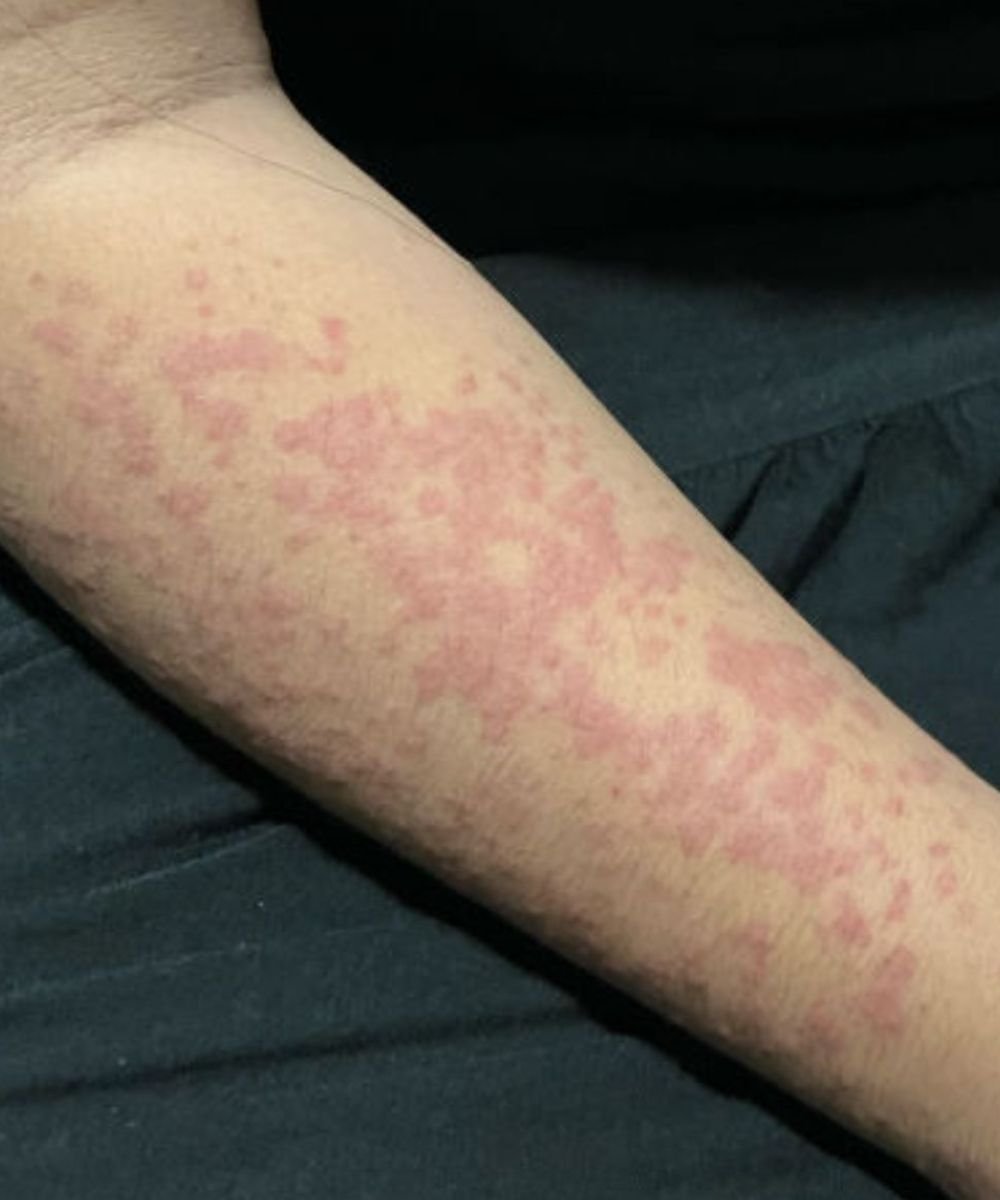
About a week ago, I asked a friend if I could temporarily stay in his unused apartment while mine was being renovated. He agreed right away, and at first, everything seemed perfectly normal.
However, just a few days after moving in, I started noticing something unusual.
Small, itchy red bumps began appearing on my skin, mainly on my legs and back. At first, I didn’t think much of it, but they kept spreading. What confused me most was that nothing in my daily routine had changed. I was still using the same personal care products and maintaining the same hygiene habits.
That’s when I began to suspect that the problem might be coming from the apartment itself.
Since I wasn’t able to visit a doctor immediately, I turned to the internet for help. One possible explanation kept coming up repeatedly—bed bugs. The apartment was quite old, and the mattress didn’t look new. I carefully checked it for signs like stains, bugs, or shed skins, but I couldn’t find anything obvious.
Still feeling uneasy, I decided to take some precautions.
I moved the mattress out onto the balcony and left it under direct sunlight for the entire day, hoping the heat would help eliminate anything living inside it. That night, I covered it with several layers of sheets and blankets to create some kind of barrier.
Unfortunately, these efforts didn’t solve the issue. The itchy bumps continued to appear, and since I had no alternative place to stay, I had to keep sleeping there for the rest of the week.
According to the NHS, bed bugs are tiny insects that hide in mattresses, bedding, and furniture. While they don’t spread diseases, their bites can cause significant itching and discomfort.
One reason they are difficult to detect is because:
Many people don’t react to their bites at all
Symptoms may take hours or even days to appear
Their bites can easily be mistaken for mosquito or flea bites
Because of this, infestations can go unnoticed for a long time.
Although reactions vary, bed bug bites often have some common features:
Small, red, itchy bumps: These can become irritated and inflamed. Scratching them may lead to infection.
Bites on exposed areas: They usually appear on parts of the body not covered during sleep, such as the arms, legs, neck, back, and shoulders.
Delayed reactions: Symptoms may not show up immediately and can take time to appear.
Allergic reactions: In rare cases, some people may experience severe swelling or discomfort that requires medical attention.
If you suddenly develop unexplained itchy bumps—especially after staying in a new place—it’s important to consult a healthcare professional. Getting a proper diagnosis helps rule out other causes and ensures appropriate treatment.
Not every itchy rash means bed bugs, but persistent symptoms—particularly in older or unfamiliar living spaces—should not be ignored. Bed bugs are difficult to detect and can be stressful to deal with.
If you ever find yourself in a similar situation, pay attention to your symptoms, keep track of what’s happening, and seek professional advice as soon as possible. Sometimes, the issue isn’t your habits—it’s your environment.