
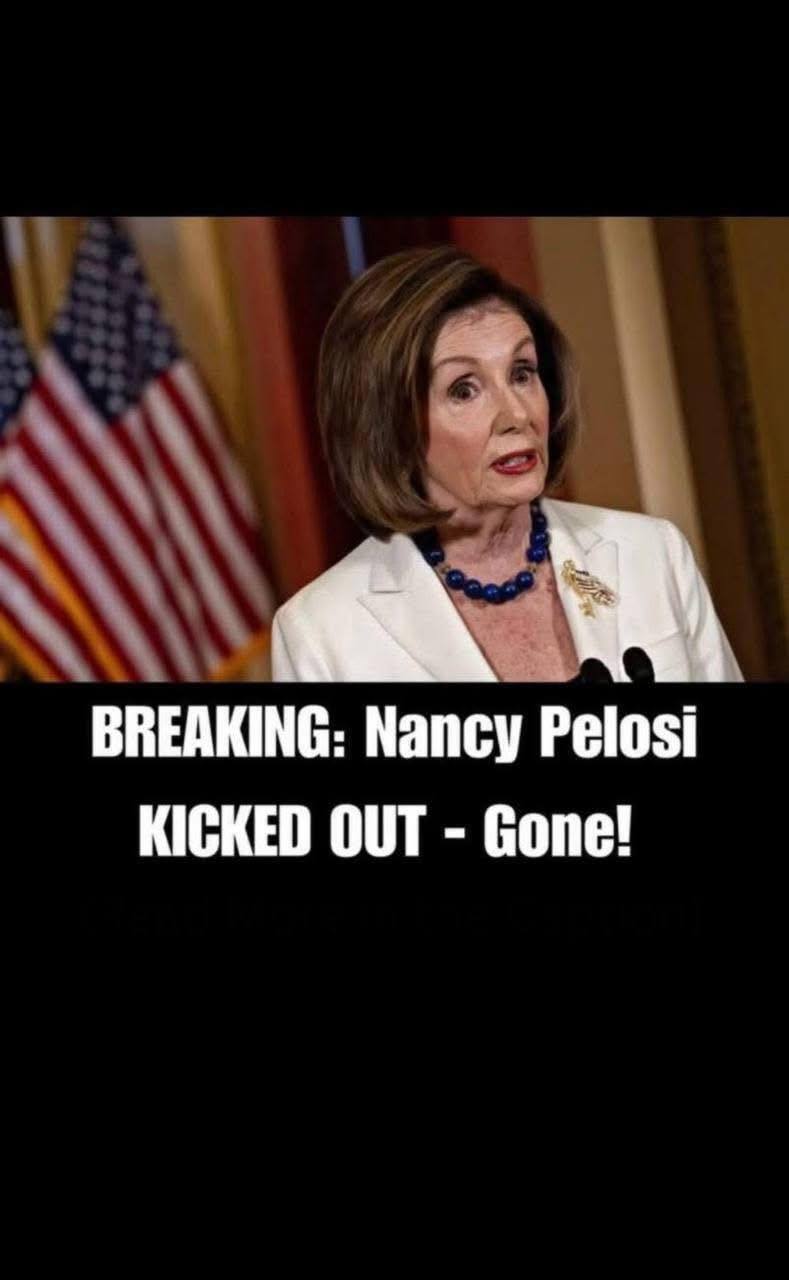
What began as a political confrontation over immigration enforcement has taken on a more serious legal dimension. Nancy Pelosi and other California leaders appeared to be engaging in familiar hard-line politics. Instead, a sharply worded letter from the Justice Department reframed the dispute in legal, not rhetorical, terms.
The letter did not engage with moral arguments about immigration or sanctuary policies. It focused narrowly on law. By citing the Supremacy Clause, the Department of Justice warned that actions taken to obstruct federal immigration enforcement—particularly those framed as organized resistance—could cross into violations of federal law.
This shift mattered. The focus moved away from policy disagreement and toward conduct. Statements, directives, and symbolic gestures that once played well to political audiences were recast as potential evidence of intent. The question was no longer whether federal enforcement was justified, but whether state and local officials were placing themselves in legal jeopardy.
In effect, the letter inverted the roles. Rather than Washington defending its authority, California’s leaders were put on notice that interference with federal operations could itself invite scrutiny. The conflict moved from press conferences and protest language into the domain of constitutional law and prosecutorial discretion.