
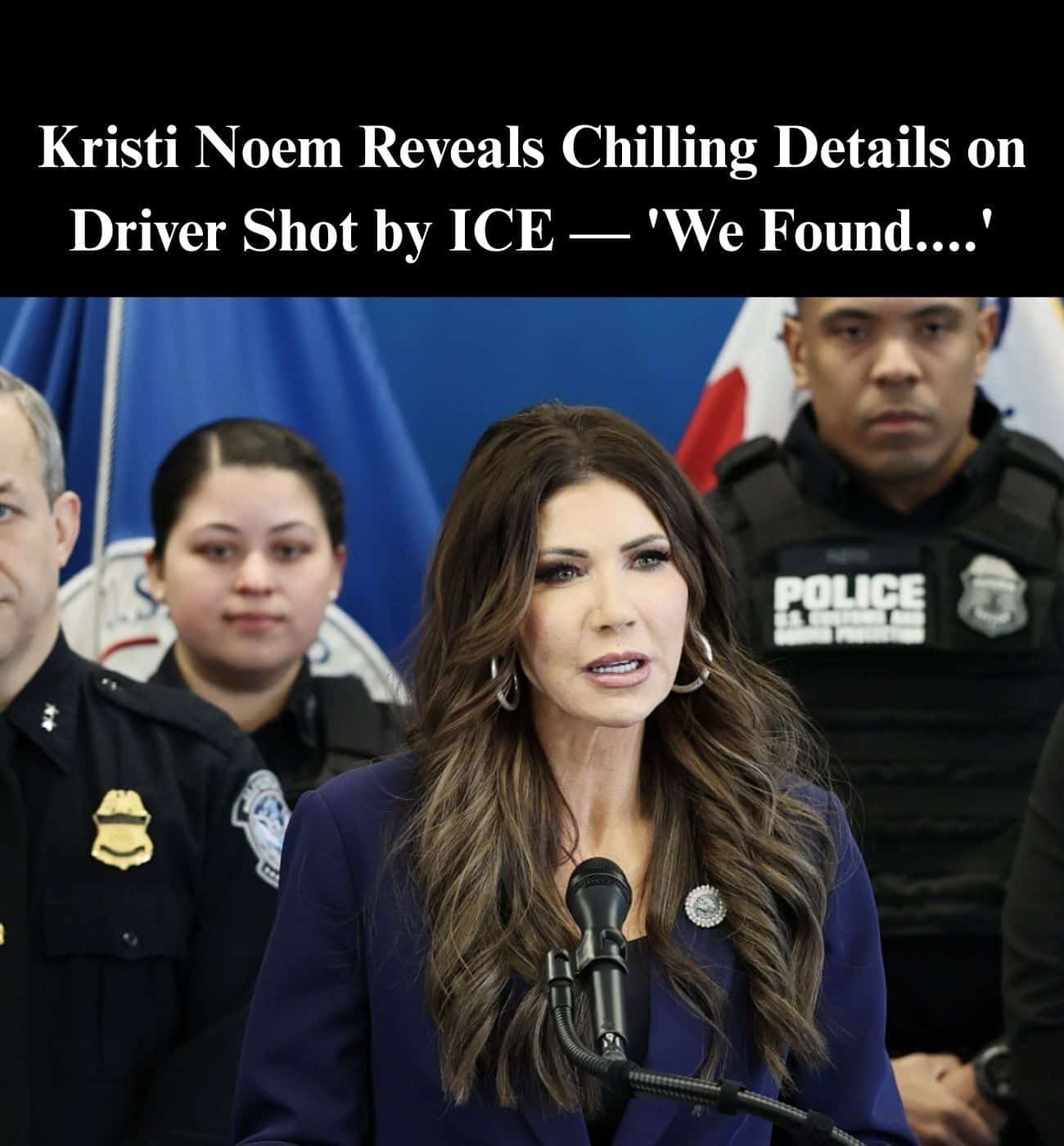
The bullet ended more than a moment. In seconds, a quiet Minneapolis street became the site of a fatal encounter whose consequences now extend far beyond the scene itself. A 37-year-old woman, Renee Nicole Good, was killed. A federal agent said he feared for his life. Within hours, political leaders and officials offered sharply divergent interpretations—some invoking terrorism, others alleging an unlawful killing. What followed was not clarity, but fracture.
What unfolded was not simply a deadly encounter between an officer and a civilian. It became a collision between two narratives that now compete for legitimacy.
Federal authorities from U.S. Immigration and Customs Enforcement described the incident as an act of self-defense, asserting that Good “weaponized” her vehicle and struck an agent, prompting the use of lethal force. Some officials went further, using language associated with domestic terrorism—an escalation that immediately drew criticism.
City and state leaders in Minneapolis, after reviewing the same video footage, rejected that characterization. They said the available evidence does not clearly support claims that the vehicle was used as a weapon and accused federal officials of misrepresenting what occurred. Several leaders called the killing unjustified and demanded that federal immigration operations cease within the city.