
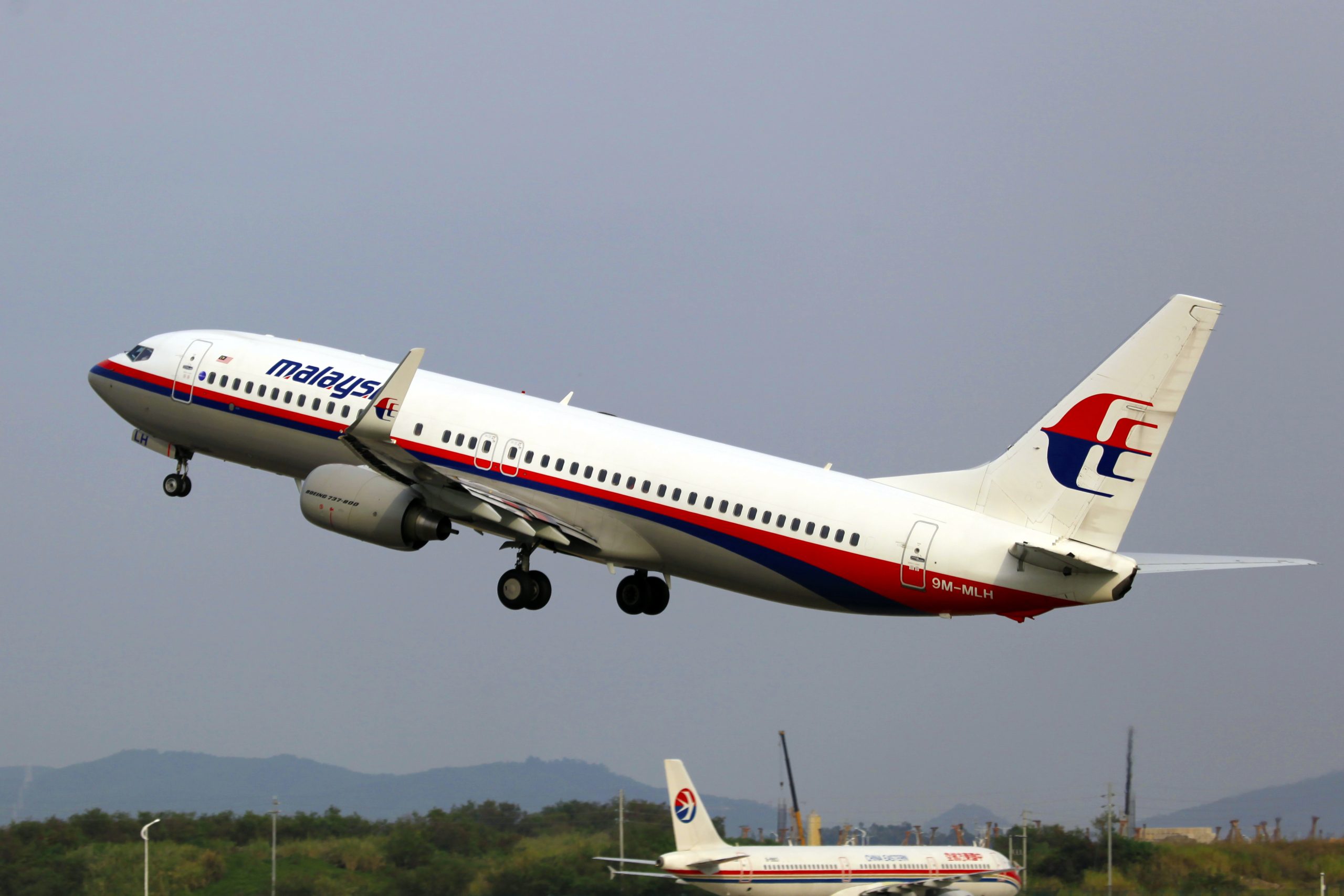
Authorities in Kuala Lumpur have confirmed that the search for Malaysia Airlines Flight 370 will resume on 30 December 2025, more than eleven years after the plane vanished en route from Kuala Lumpur to Beijing. The renewed effort, expected to last about 55 days, will be carried out by the marine-robotics company Ocean Infinity under a “no find — no fee” contract, with the search concentrated in a 15,000 square kilometre sector of the southern Indian Ocean. The area has been identified as having the highest probability of containing the aircraft’s wreckage, based on refined satellite drift analyses and improved oceanographic modelling.
The decision to restart the search follows a brief earlier attempt in 2025 that was aborted in April because of poor weather and rough seas. Officials cited the unpredictable seasonal conditions in the southern Indian Ocean as making operations unsafe. As part of a pledge to the families of the 239 passengers and crew who vanished on 8 March 2014, the government said it would resume the hunt once conditions allowed; the December reopening of the mission underscores a renewed sense of urgency in seeking closure.
Flight 370 disappeared from civilian radar less than an hour after takeoff, at 00:41 local time, and disappeared from military radar shortly afterwards. Initial search efforts examined a vast expanse of ocean floor — over 120,000 square kilometres — yet failed to locate the main wreckage. Over the years, only scattered pieces of debris were ever recovered, including a confirmed wing panel that washed up on Reunion Island in 2015. Other fragments found along the east coast of Africa were never conclusively linked to the flight. Without a definitive debris field or the aircraft’s flight recorders, no hypothesis about what happened has been universally accepted.
The 2018 search led by Ocean Infinity under a similar “no find — no fee” agreement also ended without success. At that time, the firm combed a previously determined sector of ocean floor using autonomous underwater vehicles equipped with side-scan sonar and advanced sub-sea mapping technology. The lack of a result then was not unexpected — the vastness and depth of the targeted area made discovery difficult. Still, the failure prompted many to suggest that the operation had given all that could reasonably be achieved.