
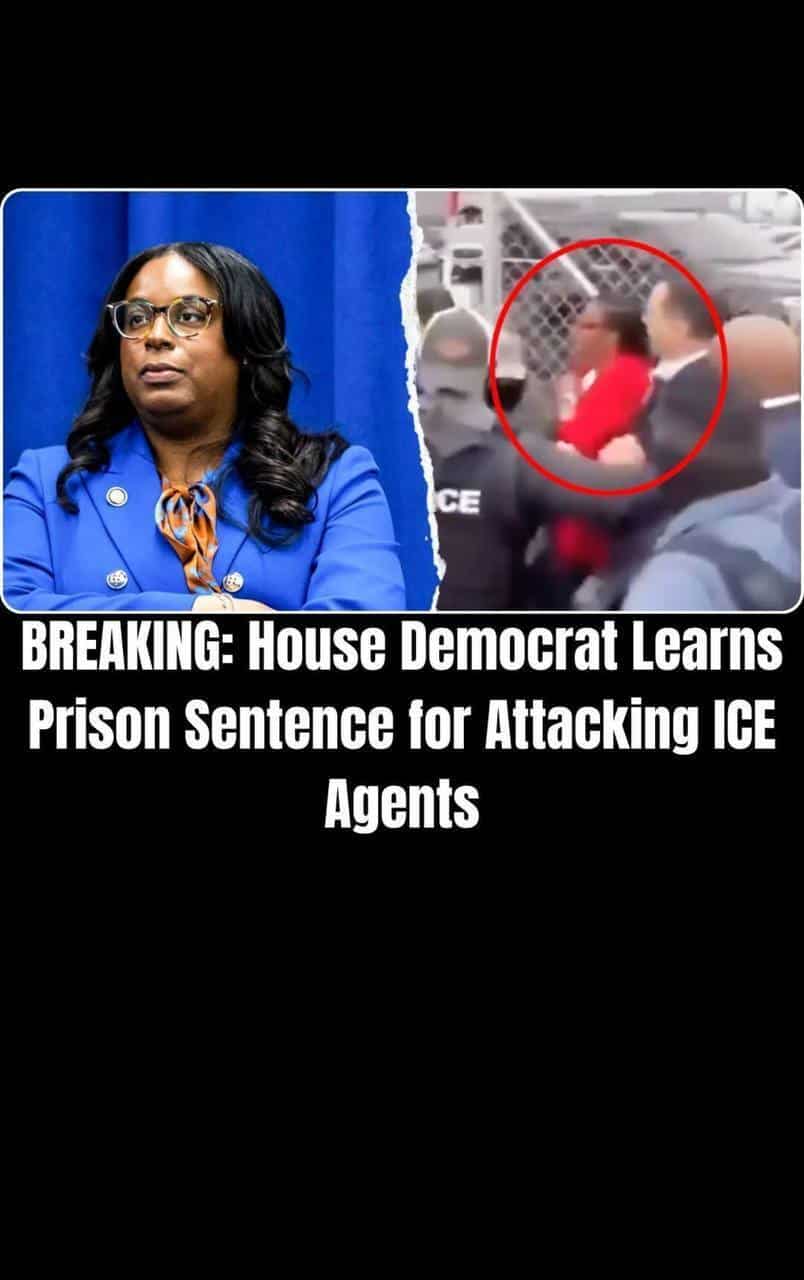
A moment meant to assert oversight has become a legal and constitutional crossroads. When LaMonica McIver entered an Immigration and Customs Enforcement facility in Newark, the encounter lasted minutes. The consequences, however, may stretch far longer — touching not only her political future, but broader questions about congressional authority, prosecutorial discretion, and the limits of state power.
Now unfolding in a federal courtroom in Newark, the case places McIver between criminal indictment and constitutional principle. Prosecutors allege that she assaulted ICE agents while attempting to interfere with the arrest of Newark Mayor Ras Baraka outside a detention facility. According to the government, the confrontation crossed a legal line. McIver’s defense argues otherwise, maintaining that she was performing protected congressional oversight — a lawful function complicated by confusion, restricted access, and heightened tensions at the gate.
At the center of the proceedings is Jamel Semper, who has not yet ruled on whether the charges will proceed. What he has done, however, is raise pointed concerns about the government’s conduct outside the courtroom. During arguments, Judge Semper sharply criticized what he described as “fact-free” social media statements issued by the Department of Homeland Security, which portrayed McIver and other Democratic officials as trespassers aligned with extremist groups who had “stormed” the facility.
Such language, the judge warned, risks contaminating any potential jury pool and undermining the integrity of the judicial process. His remarks signaled discomfort not only with the framing of the incident, but with the blending of law enforcement action and political messaging.