
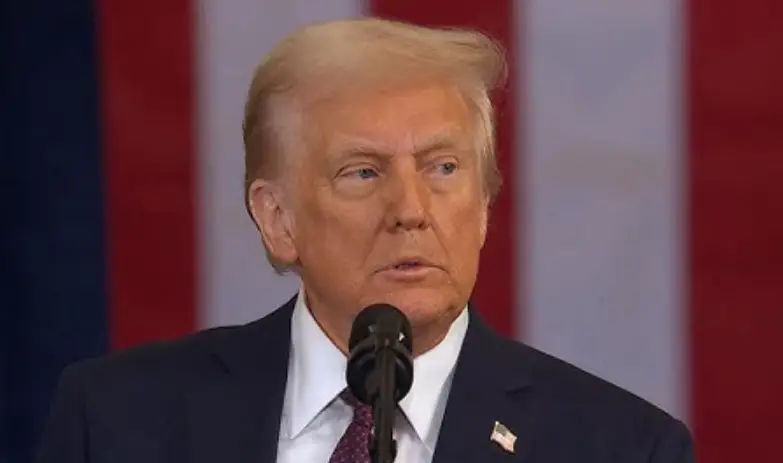
Former President Donald Trump has repeated his pledge to deliver a direct payment of two thousand dollars to millions of Americans, telling supporters that the first wave of payments would be issued in what he described as “mid to late 2026.” The promise, which has circulated widely online and fuelled speculation about immediate financial relief, remains a proposal rather than an authorised government programme. No formal mechanism for distributing the money currently exists, and no federal agency has confirmed a timeline.
The proposed payment is part of what Trump calls a “tariff dividend,” a policy framework that would use revenue from increased tariffs on foreign goods to fund annual cash payments to households. In recent appearances, Trump has argued that raising tariffs on imported items would generate enough additional revenue to finance two-thousand-dollar cheques for what he identifies as “middle-income or moderate-income” Americans. High-income earners would be excluded, although no specific income thresholds or eligibility rules have been formally drafted.
The former president has framed the payment as a way to return money “directly to the American people,” casting it as compensation for the economic effects of global trade practices. Trump has argued that foreign manufacturers benefit disproportionately from access to American consumers and that a nationwide tariff programme could restore what he considers lost economic leverage. He has also portrayed the plan as a counterweight to inflation, asserting that families need immediate financial help after years of rising prices.
Despite the confident tone of Trump’s remarks, the proposal faces significant structural and financial hurdles. While increased tariffs do raise federal revenue, economists and budget analysts note that the amounts collected would be highly unlikely to cover a nationwide programme of two-thousand-dollar cheques each year. For perspective, a single annual payment at that level to most American adults would require hundreds of billions of dollars in funding. Tariff revenue fluctuates widely and depends heavily on economic conditions, import levels and the global trading environment. Analysts estimate that even steep tariff increases would fall short of raising the necessary amount without causing major disruptions to consumer prices.