
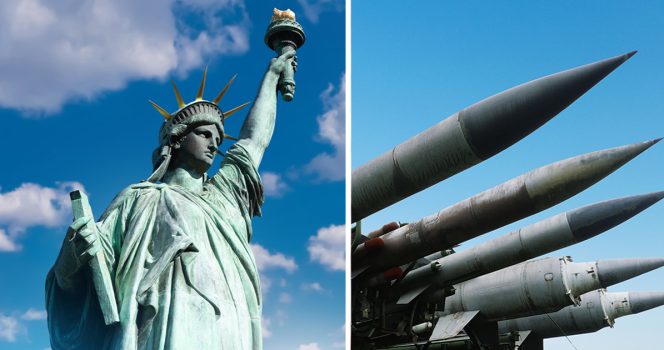
Given the current global climate and the unmistakable rise in political tension, it’s no surprise that fear of war has quietly settled into public consciousness. For many people, it lingers in the background—rarely spoken aloud, but always present.
Part of Donald Trump’s reelection messaging emphasized keeping U.S. troops out of foreign conflicts. Yet a series of aggressive geopolitical moves has left many observers uneasy. Actions tied to Venezuela, heightened rhetoric surrounding Iran, and repeated public insistence that the United States should acquire Greenland have contributed to a growing sense that stability on the world stage is far more fragile than it appears.
The deepest concern, of course, is the possibility of World War III—a conflict so vast and destructive that it could permanently alter life on Earth. Optimists argue that countless safeguards, treaties, and rational actors stand between humanity and a nuclear catastrophe. More pragmatic voices counter that the past year has brought the world closer to escalation, not farther from it.
With unpredictable leadership, strained alliances, and the familiar drivers of conflict—ego, pride, and the pursuit of dominance—many fear that a serious miscalculation could ignite something irreversible. Against this backdrop, public anxiety has shifted from abstract dread to unsettling “what if” scenarios.