
The episode has revealed how quickly suspicion can outrun verification in the age of viral evidence. A locked door, a misspelled sign, or an empty parking lot—when framed without context—can harden into a narrative of corruption before regulators complete their work. The response to Nick Shirley’s video illustrates how modern accountability is often shaped less by audits and more by amplification.
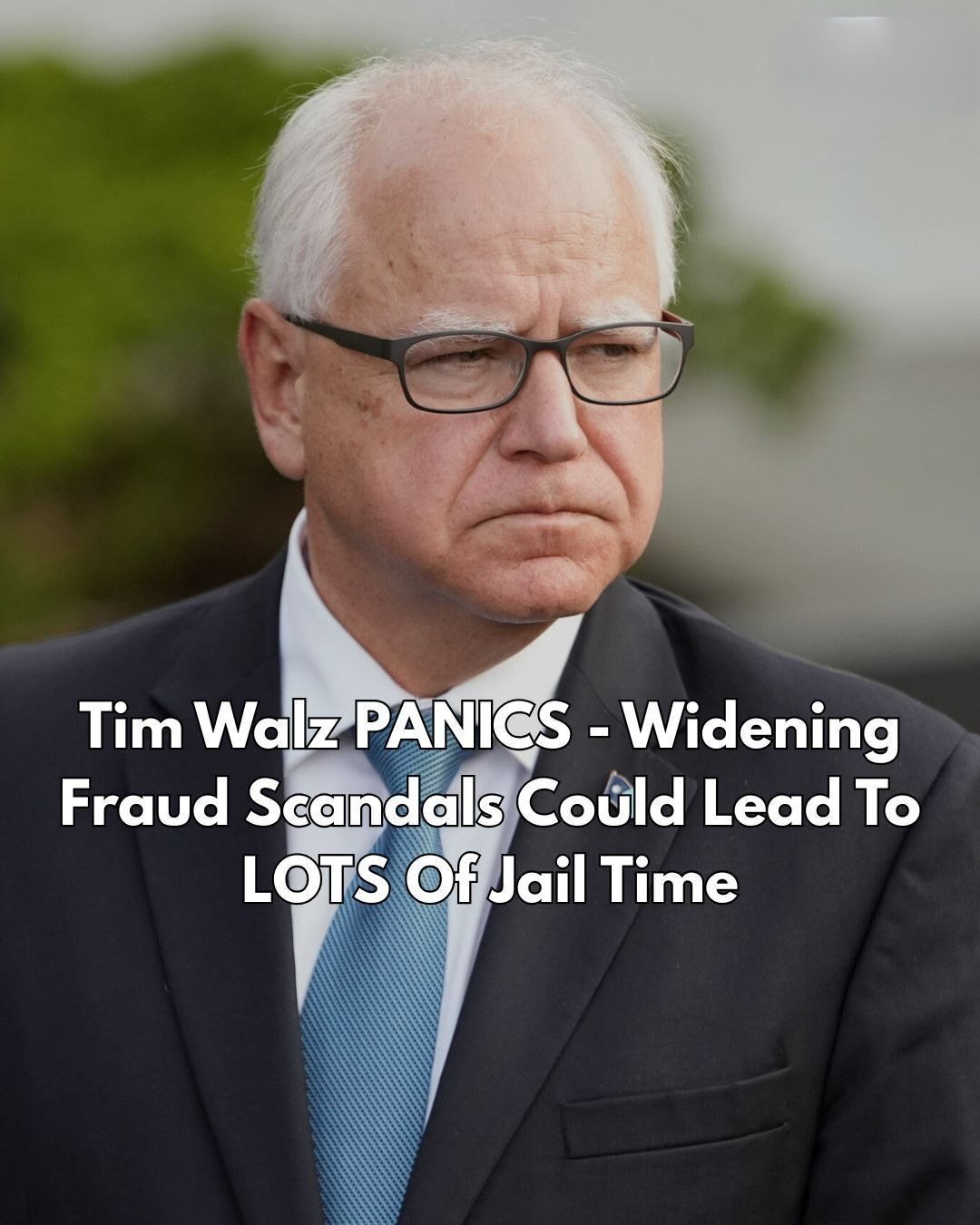
State leaders sought to slow that momentum. Tim Walz urged patience, pointing to Minnesota’s existing fraud-prevention systems and warning against conflating anomalies with criminal intent. Officials stressed that childcare centers operate on varied schedules, with off-site programs, staggered hours, and administrative days that may appear suspicious when observed briefly but fall within compliance standards.
Federal intervention, however, signaled that perception alone can trigger consequences. The funding freeze imposed by the U.S. Department of Health and Human Services—alongside escalated reviews by the Department of Homeland Security and the Federal Bureau of Investigation—reflected a zero-tolerance posture toward even the appearance of misuse. Supporters viewed the move as overdue vigilance; critics warned it risked penalizing legitimate providers before wrongdoing was established.
The political echo chamber intensified the divide. High-profile figures such as Elon Musk amplified calls for prosecution, reinforcing a climate where public judgment preceded due process. At the same time, advocacy groups cautioned that the backlash disproportionately focused on immigrant-run childcare centers, particularly within Minnesota’s Somali community, reviving concerns about selective scrutiny and social harm disguised as reform.