
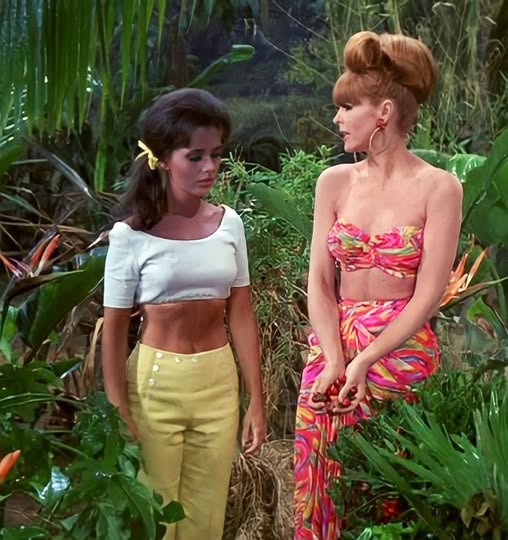
The lasting legacy of Gilligan’s Island stands as a prime example of the enduring power of broadcast syndication and the longevity of classic television. Though the series aired only three seasons between 1964 and 1967, its cultural impact has extended across multiple generations—a feat that even today’s streaming platforms often struggle to replicate. From the perspective of media production, the show offers a fascinating glimpse into mid-century Hollywood craftsmanship, filled with technical bloopers, on-set challenges, and biographical trivia that collectively provide a behind-the-scenes look at the golden era of sitcoms.
Among the most frequently discussed continuity errors is one found in the opening credits sequence, a valuable element for any television franchise. In the season two introduction, a wide-angle shot of the S.S. Minnow leaving the marina unintentionally reveals an extra passenger. While the scripted story centers on seven stranded castaways, the cinematography captured eight figures aboard the vessel. Industry reports suggest that uncredited stand-ins were used for long-distance shots to accommodate production costs and actor availability, creating a visual inconsistency that went unnoticed by network executives for years.
In the episode titled “The Friendly Physician,” production designers faced a logistical challenge when the castaways temporarily left their tropical sanctuary. Featuring Vito Scotty as the eccentric Dr. Boris Balancoff, the episode required on-location shooting beyond the controlled environment of the CBS studio lagoon. As a result, when the castaways fled the doctor’s castle, camera placement inadvertently revealed studio warehouses and commercial buildings in the background, shattering the illusion of isolation. This oversight is a clear example of how urban development can interfere with period-piece filming.
The historical context of the show’s pilot episode, “Marooned,” adds a somber layer. Filming in Honolulu Harbor coincided with the assassination of John F. Kennedy in November 1963, prompting a mandatory production hiatus as military bases and naval ports observed federal mourning. A subtle visual tribute survives in the season one intro, where American flags fly at half-mast—a poignant detail anchoring this whimsical comedy to a pivotal moment in American history.