
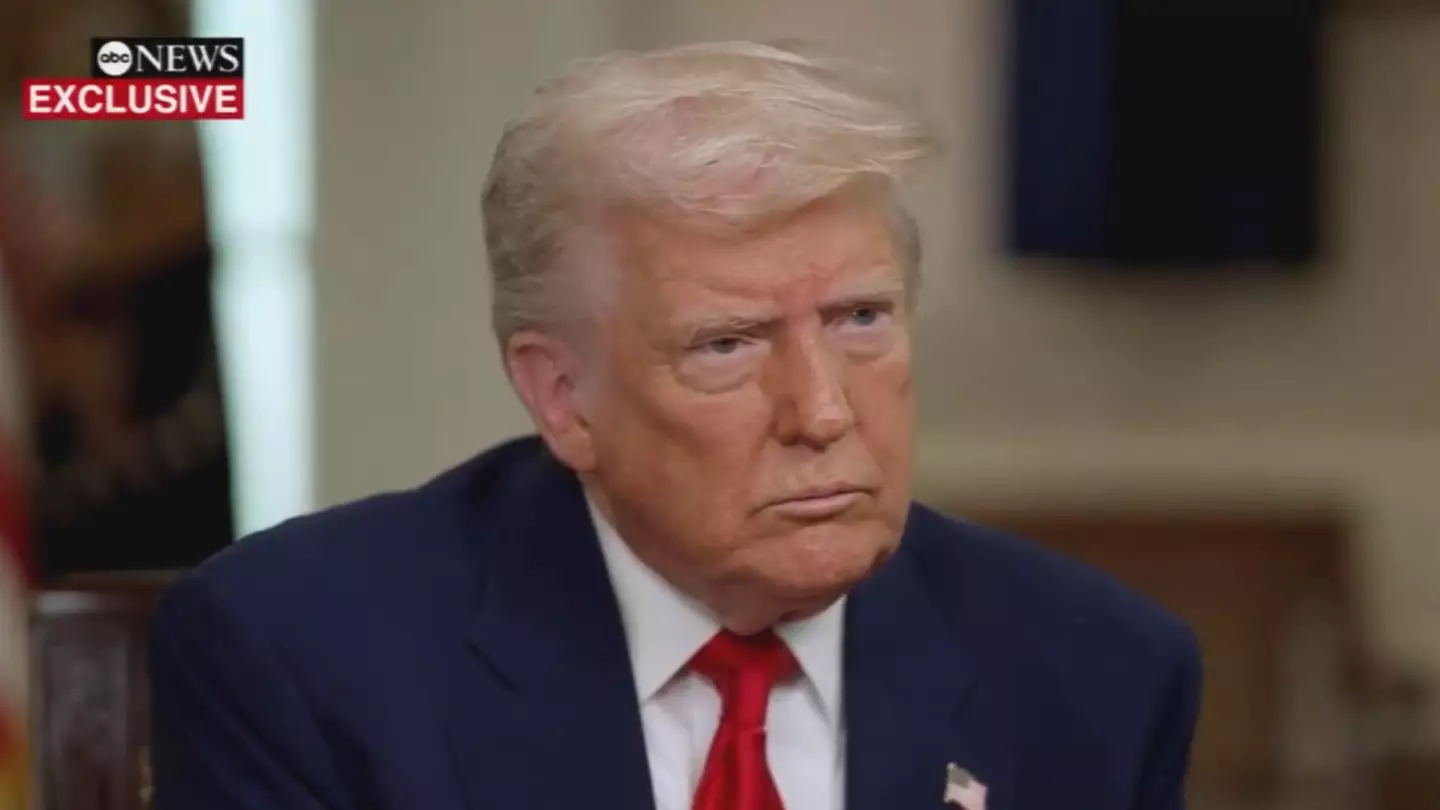
President Trump has renewed his pledge to distribute a one-time payment of at least $2,000 to most Americans, using revenue collected from new tariffs as the funding source. The proposal — referred to by the administration as a “tariff dividend” — has sparked broad interest and skepticism as the White House works out who would be eligible and how (or whether) such rebates would actually be delivered.
Trump first announced the idea publicly in early November via his social-media platform, declaring that the “dividend of at least $2,000 a person (not including high income people!) will be paid to everyone.” The proposal is presented as compensation for Americans bearing tariff costs, and as a political sweetener designed to ease cost-of-living pressures ahead of elections.
According to the limited public outline so far, the main eligibility requirement would be a household income threshold. Treasury officials have suggested the payment would likely be limited to individuals or families earning under roughly $100,000 a year. That would exclude “high-income people” without a formally defined upper limit given. Beyond that income test, the administration has not specified whether checks would include dependants, minors, or how the amount might be prorated in larger households.
Officials say a more precise plan and schedule could arrive as early as mid-2026. Trump has floated a provisional payout date around that time, though no official mechanism has yet been approved. Critics and independent analysts, however, warn that the ambition may outstrip the arithmetic.