
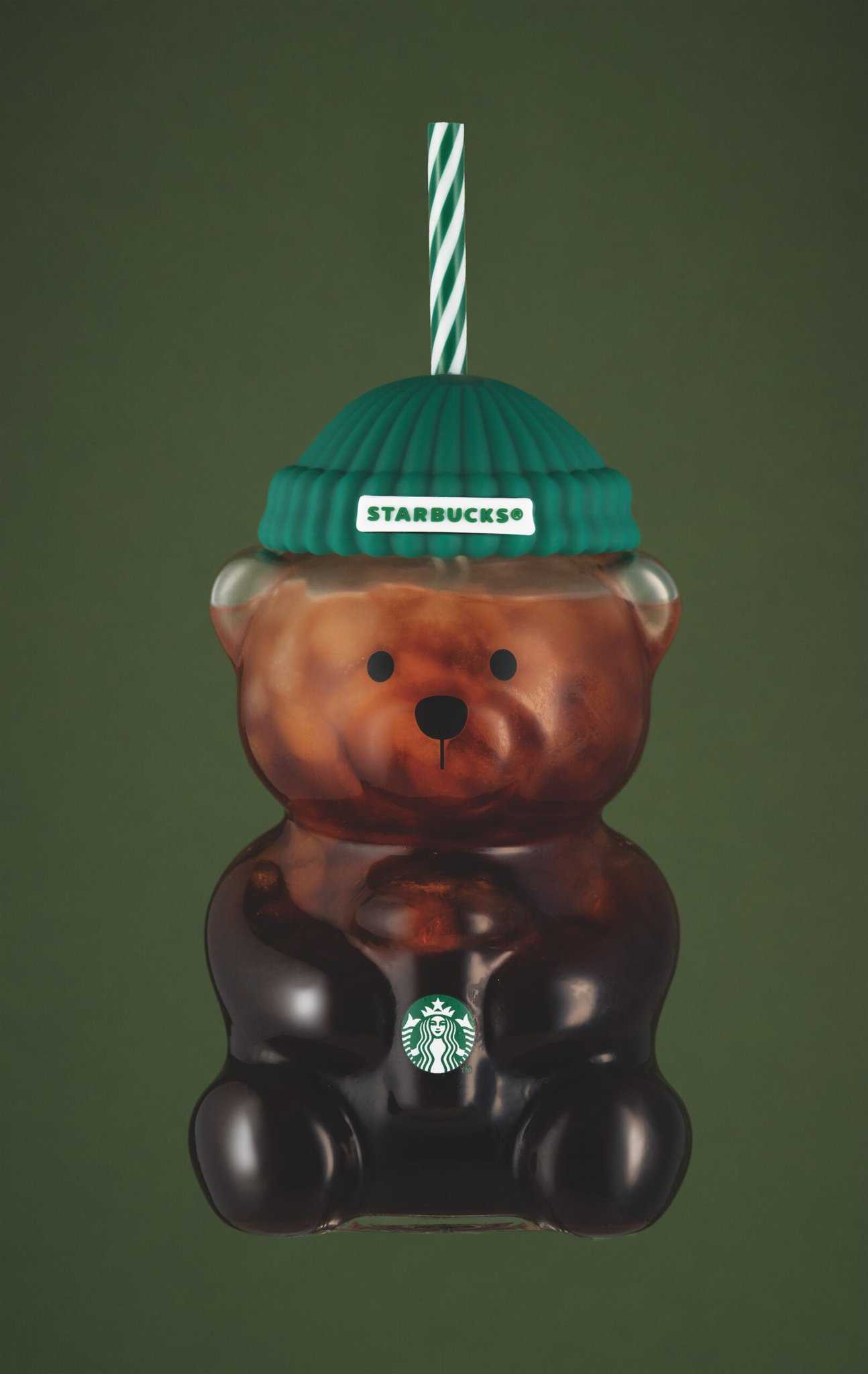
Starbucks has been forced into damage control after the launch of its limited-edition “Bearista” Cold Cup set off a nationwide scramble, rapid sell-outs and accusations that some stores allowed staff to purchase stock before customers could, prompting a rare apology from the company. The 20-ounce glass collector’s cup, shaped like a clear honey-bear with a green lid and straw styled to look like a beanie, went on sale in U.S. stores on 6 November alongside the chain’s holiday drinks. It was priced at $29.95 and, in many locations, it disappeared as doors opened, with some customers reporting that their store received only one or two units. Starbucks said demand overshot its projections even though it had shipped the item broadly, and told disappointed fans that more seasonal merchandise would follow. “The excitement for our merchandise exceeded even our biggest expectations and despite shipping more Bearista cups to coffeehouses than almost any other merchandise item this holiday season, the Bearista cup and some other items sold out fast. We understand many customers were excited about the Bearista cup and apologize for the disappointment this may have caused,” the company said in a statement provided to multiple outlets.
The apology followed 24 hours of escalating backlash as videos and posts showed early-morning lines, disputes at counters and customers walking away empty-handed after driving to several stores before sunrise. In one clip amplified on TikTok and across X, a frustrated customer alleged that a Kroger-housed Starbucks in Indianapolis allowed employees to buy out the cups before opening; the poster said they arrived at 2 a.m., joined others queueing and watched staff take the inventory to the back. Starbucks did not confirm store-level details but acknowledged the broader shortage and said it anticipated more holiday merchandise, without specifying whether the Bearista cup itself would return.
The product, teased a day earlier on Starbucks’ Instagram, tapped into a fervent collector culture that has grown around the chain’s seasonal tumblers and cold cups. Enthusiasts who plan for limited drops described a sharper scarcity this time, with some stores telling would-be buyers that they never received stock or had already exhausted deliveries in pre-opening purchases. Comments under Starbucks’ official social posts captured the change in mood from excitement to exasperation: “I got up at 4am and drove to a location that said it would have this cup. I was first in line, and they didn’t have it. I drove to four more locations, none of them had it and said they never did,” one user wrote. Others accused the campaign of fuelling resellers. “This campaign has done nothing but fuel resale at absurd prices, feeding a market that shouldn’t even exist,” another comment said.
Soon after stores opened, secondary-market listings proliferated. Prices on resale platforms climbed well beyond retail, with examples documented in coverage ranging from hundreds of dollars to four-figure asks. Reports listed eBay posts as high as $275 and higher, with other outlets capturing screenshots of listings pushing $500 or more; some accounts cited speculative postings around $1,000 as the frenzy peaked. The spread in those figures reflects the opaque and fast-moving nature of collector resales, but the trend line was unmistakable: scarcity and hype drove a premium, and ordinary customers who queued early faced a choice between paying multiples or abandoning the hunt.