
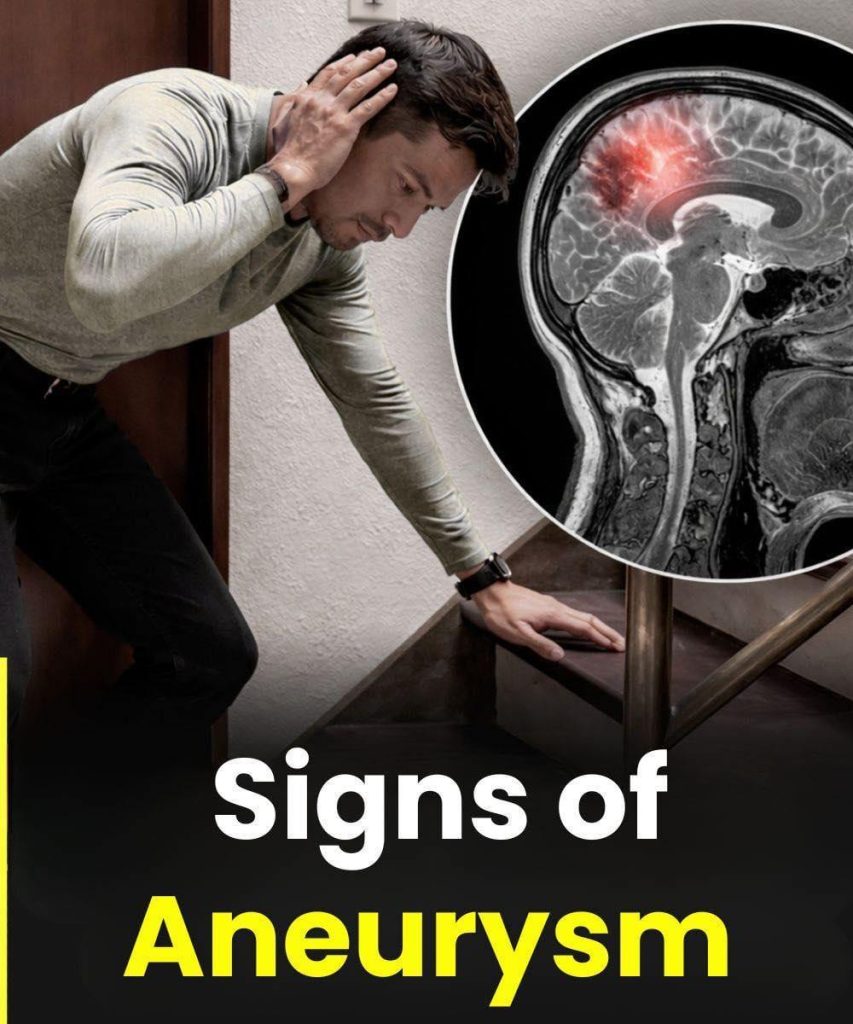
An aneurysm is a serious condition where a blood vessel wall weakens and bulges outward. Often, it develops without noticeable symptoms, making early recognition critical. Many people remain unaware of an aneurysm until it reaches a dangerous stage, which is why knowing warning signs can be life-saving.
One of the most important indicators is a sudden, severe headache—frequently described as unlike anything experienced before. Vision problems, including blurred or double vision, may accompany the headache. Pain around the eyes or neck, unexplained numbness or weakness, and difficulty speaking or understanding others can also signal trouble. These symptoms sometimes resemble other conditions, but they should never be ignored, as they may indicate pressure on the brain or a potential rupture.
Other signs may appear in the chest, back, or abdomen. An aortic aneurysm, for example, can cause deep, persistent pain in these areas. Shortness of breath may occur if nearby organs are affected. In severe cases, a rupture can lead to rapid heart rate, dizziness, or fainting due to a sudden drop in blood pressure.