
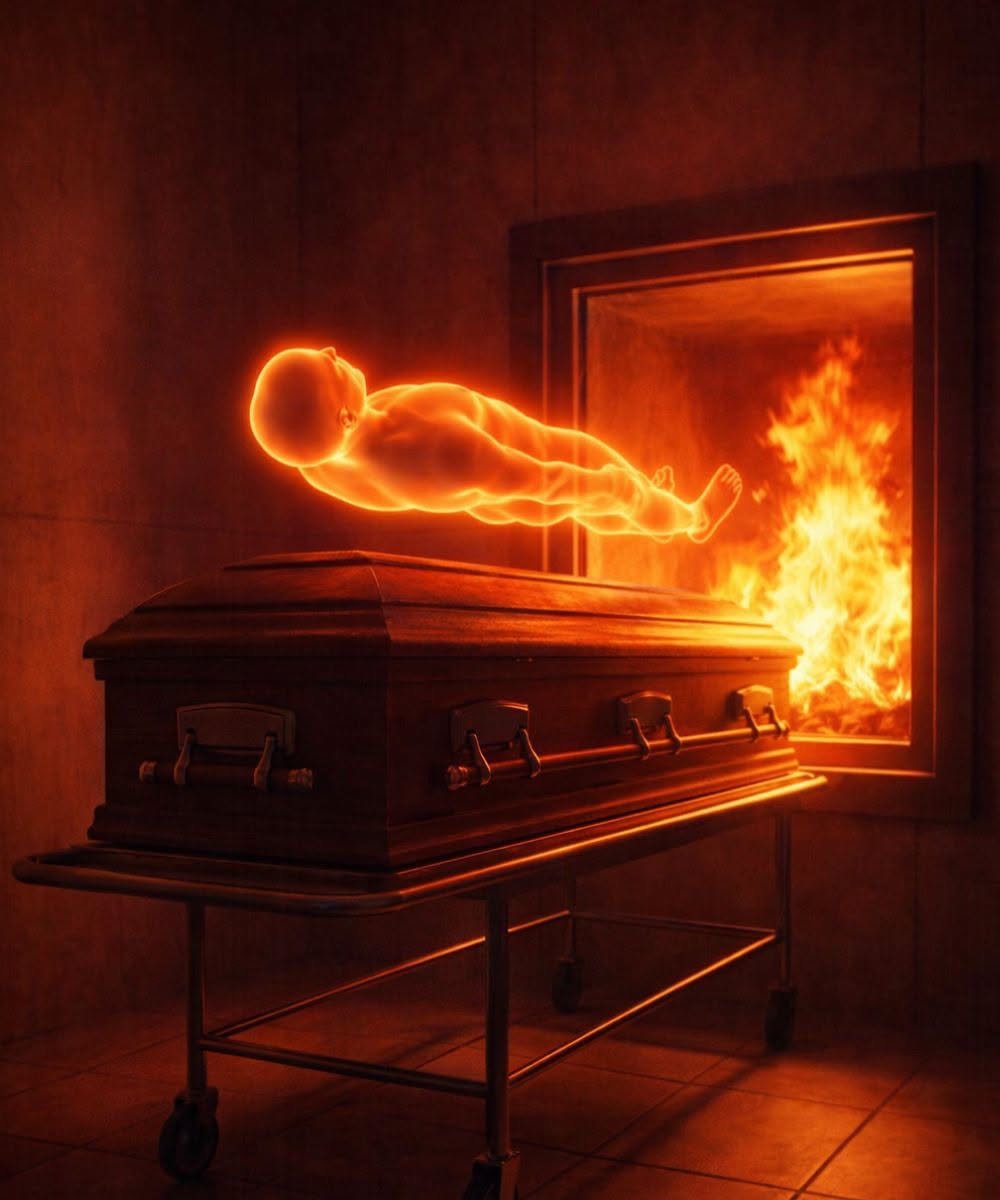
Is Cremation a Sin? What Scripture Teaches About the Body, Death, and the Hereafter
In today’s world, cremation has become increasingly common. Many families choose it because of cost, simplicity, or personal preference.
Yet for people of faith, an important question remains:
Is cremation sinful according to Scripture?
Does it dishonor the Creator? Does it affect what happens after death?
To answer honestly, we must return to sacred teachings about life, death, and human dignity—without relying on rumors or cultural pressure.
Throughout Scripture, the consistent practice among believers was burial.
From the earliest generations, people honored the deceased by returning them to the earth.
Burial reflected respect, patience, and humility before God.
It showed that the human body, even after death, still deserved care.
Importantly, Scripture never presents cremation as a recommended practice.
There are very few references to burning bodies in sacred texts.
When it does appear, it is usually connected to:
These cases were not normal funeral customs.
They were exceptions caused by crisis, not examples to follow.
One of the strongest teachings in Scripture is that the human body is not meaningless.
It is created by God and entrusted to each person for a lifetime.
Because of this, many believers see burial as the most respectful way to return the body to the earth.
Burning the body can feel, to some, like unnecessary destruction of something God honored.
Some people worry that cremation might interfere with resurrection.
This concern comes from misunderstanding.
People have died in floods, fires, wars, and disasters throughout history. Many bodies have disappeared completely.
Resurrection depends on divine will, not physical remains.
Life after death is in God’s hands alone.
Even when cremation is not directly forbidden, many faithful people avoid it for spiritual reasons.
Burial returns the body gently to the earth, reminding us that life is temporary and belongs to God.
It reflects trust in the natural process designed by God.
It treats the body with calm respect rather than rapid destruction.
For centuries, believers chose burial as a sign of faith, reverence, and obedience.
Sacred teachings emphasize that God judges hearts before actions.
What matters is not only what is done—but why.
A person who chooses cremation out of necessity, poverty, or lack of options is not acting with bad intention.
But choosing it out of carelessness, disrespect, or rejection of sacred values is different.
Scripture does not give a direct sentence saying, “Cremation is forbidden.”
So while cremation is not explicitly named as sinful, it does not align with the spirit of reverence found throughout sacred teachings.
Because of this, many believers avoid it when possible.
More important than burial or cremation are these truths:
A person’s relationship with the Creator matters more than funeral customs.
Character, honesty, compassion, and righteousness are what follow a person beyond this life.
Every person will answer for their deeds.
No burial method can change that reality.
Many scholars and teachers agree on this approach:
Whenever possible, burial is the better choice.
When it is not possible, God’s mercy remains wide.
If you or your family are making this decision, consider:
“Does this choice reflect humility, dignity, and faith?”
That question is more important than convenience.
Conclusion: Dignity, Faith, and Accountability
Sacred teachings do not present cremation as an ideal practice.
Faith calls people to choose what honors God most.
In the end, no fire or grave decides a person’s destiny.
Only faith, sincerity, and righteous living do.