
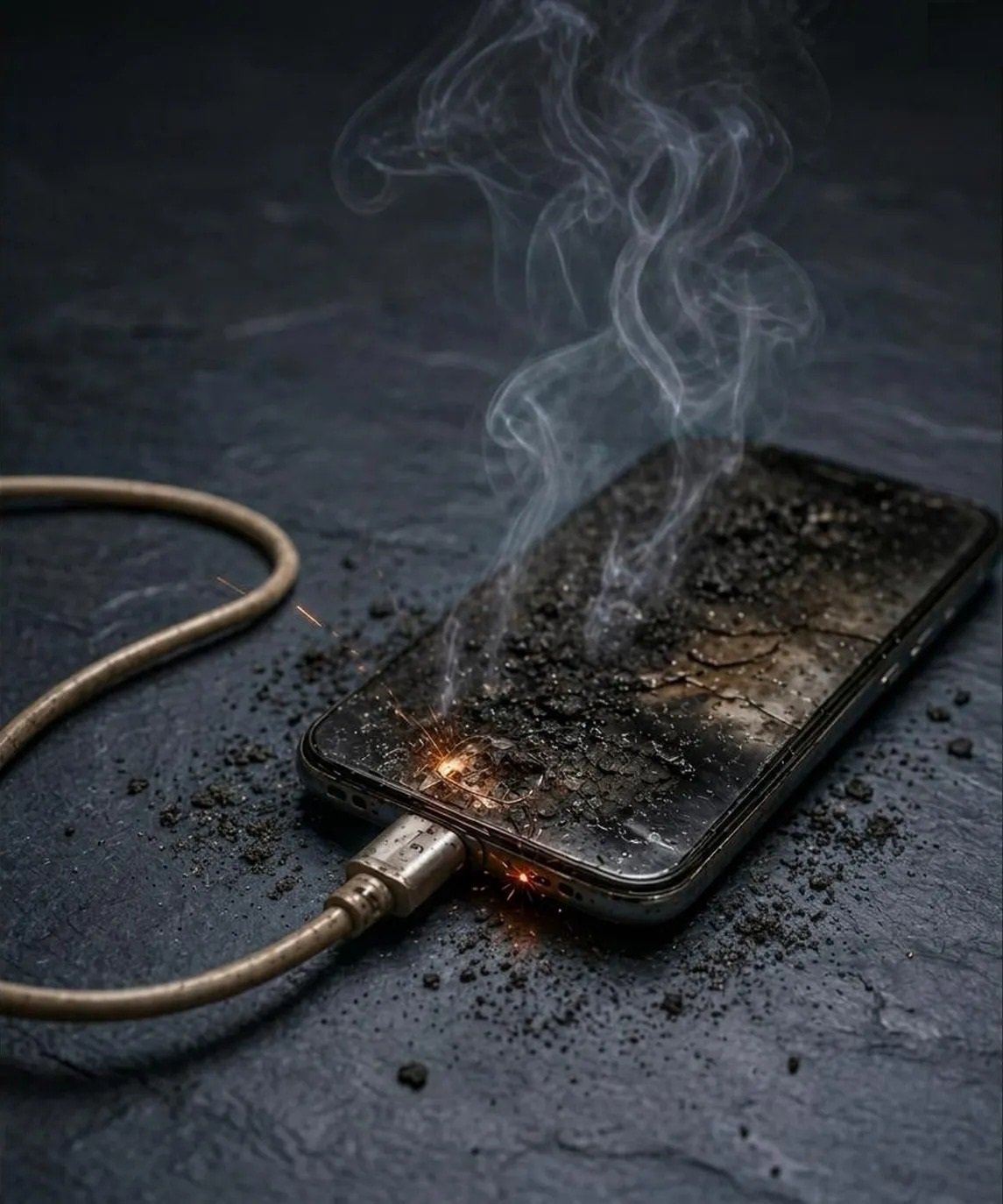
In today’s connected world, chargers have become a quiet but essential part of daily life. From smartphones to laptops and tablets, we rely on them constantly to stay powered and productive. Yet, despite their importance, chargers are often used without much thought. Small oversights—like choosing cheaper alternatives or ignoring basic safety practices—can lead to unnecessary risks. Over time, these habits may result in overheating, reduced device lifespan, or even safety concerns within the home. Understanding how to use chargers responsibly is a simple step that can make a meaningful difference in protecting both your devices and your environment.
One of the most common risks comes from using low-quality or uncertified chargers. While they may seem like a convenient and affordable option, these products often lack proper safety mechanisms. Without reliable voltage regulation, they can deliver inconsistent power, which may gradually damage your device’s battery or internal components. In some cases, they can also overheat during use. Certified chargers, on the other hand, are designed with built-in protections that help manage power safely and efficiently. Choosing trusted, well-tested accessories is not just about performance—it’s about peace of mind.
Another issue many people overlook is the condition of charging cables. Over time, cables can wear out due to bending, pulling, or daily use. Frayed edges, exposed wires, or loose connectors are warning signs that should never be ignored. Damaged cables can lead to short circuits or small electrical sparks, increasing the risk of harm. Replacing a worn cable early is a simple and inexpensive way to avoid bigger problems. Keeping an eye on your equipment and maintaining it regularly helps ensure safe and consistent charging every day.
Safe charging habits and proper setup also play an important role. Placing devices on soft surfaces like beds or couches while charging can trap heat and reduce airflow, increasing the chance of overheating. It’s better to charge devices on hard, flat surfaces where heat can dissipate easily. Additionally, avoiding overloaded outlets and unplugging chargers when they are not in use can further reduce strain on your electrical system. By combining good-quality equipment with mindful habits, you create a safer and more reliable charging routine that supports both your devices and your home.