
Scientists have discovered flesh-eating bacteria in the waters near a a popular U.S tourist area. Now they have issued a warning.
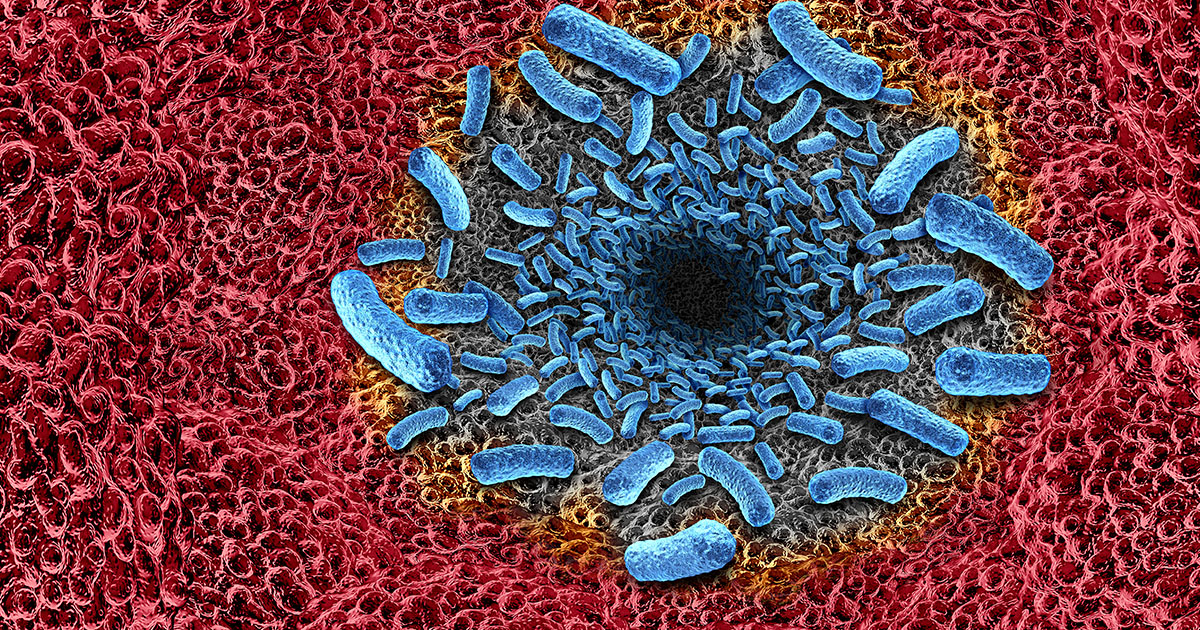
Researchers from Stony Brook University have identified Vibrio vulnificus at several locations in Long Island, New York, waters. It’s a bacterium that can become deadly within just 48 hours of infection.
Speaking to CBS New York, Professor Dr. Christopher Gobler, an expert in marine and atmospheric sciences, said his team found the bacteria in multiple places.
He explained: “Bacteria known as Vibrio vulnificus, also known by the Centers for Disease Control and Prevention as a flesh-eating bacteria, is present and a risk in our waters.” The infection can be extremely serious.
“It’s a very, very serious infection; it gets into open wounds – people who are infected with this bacteria have a 20 percent chance of dying within just 48 hours,” the professor warned.
Humans are not the only ones at risk. Over the years, dogs that drank from the contaminated water have also become sick — and in some cases, died.
Flesh-eating bacteria found in popular U.S. tourist spot
This is not the first time the area has faced this threat. In 2023, three people lost their lives after being infected when the bacteria were first detected in Long Island Sound.
Experts believe the bacteria may have originated in what has been called Trump’s “so-called Gulf of America.”
Now, scientists are increasingly concerned as the bacteria continue to spread. It has already been found in several additional bodies of water, including Sagaponack Pond, Mecox Bay, and Georgica Pond.
According to Dr. Gobler, the spread is the result of a “perfect storm” caused by nitrogen runoff, algae blooms, and climate change.
The region faces a serious nitrogen pollution problem. Suffolk County alone has around 360,000 aging cesspools and septic systems that leak into local waterways, fueling dangerous algal blooms.
These algae blooms raise water temperatures and reduce oxygen levels — creating ideal conditions for dangerous bacteria. Dr. Gobler continued, “If someone’s immunocompromised, or elderly, and they have open wounds in summer, you may want to stay out of the water.”
Scientists issue a warning for other areas
Other areas, including nearby areas East Quogue, Southold, and Shinnecock Bay, could also be at risk. These waters are already affected by toxic algae that produce a neurotoxin believed to be up to 1,000 times more poisonous than cyanide.
The situation is also impacting local industries, with major losses reported in oyster farming. While no new deaths have been reported since 2023, researchers warn the danger is growing. There are fears that it may only be a matter of time before more lives are affected.
Please share this article to warn others to be cautious.