
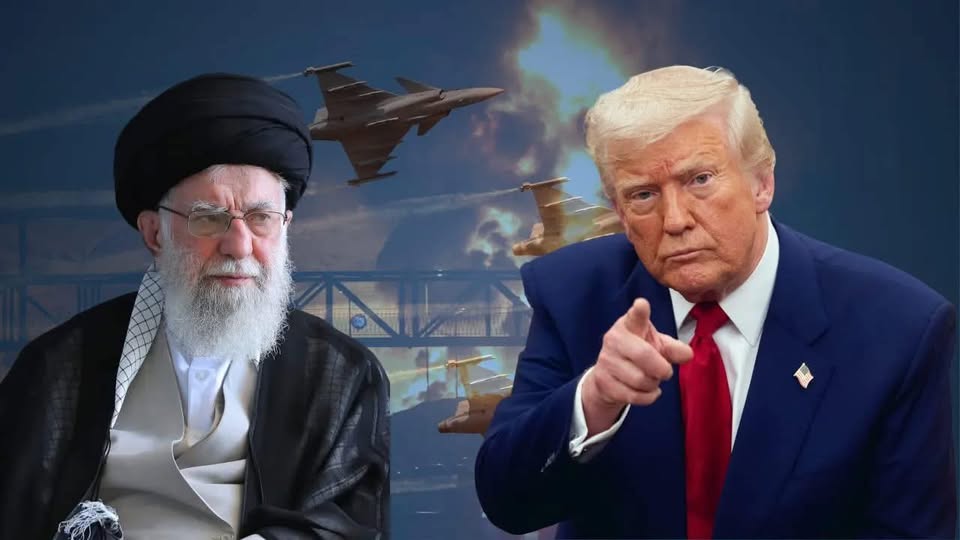
Online headlines often spread rapidly during periods of international tension, sometimes mixing verified facts with unconfirmed claims. Recent viral posts suggesting an imminent military strike involving the United States or Middle Eastern nations highlight the importance of relying on confirmed information from reputable sources. This article explains what is known, what is not verified, and how to understand the security situation involvingIsrael,Iran, and theUnited Statesas of 2025.
Israel has faced ongoing security challenges in recent years, particularly since the escalation of conflict with armed groups in Gaza beginning in October 2023. International organizations including theUnited Nationsand multiple global news agencies have documented continued hostilities, including rocket fire, military operations, and cross-border tensions.
Israeli authorities, including theIsrael Defense Forces, have continued to report periodic security incidents tied primarily to the conflict with the Gaza-based groupHamas. These developments are part of an ongoing regional conflict rather than evidence of a sudden or new nationwide attack.
While sporadic violence and security alerts occur, official statements typically describe them as part of existing hostilities rather than a new war scenario. Governments and international observers consistently advise monitoring official channels rather than social media rumors.
Relations between Israel and Iran have been strained for decades, largely due to geopolitical rivalry, nuclear concerns, and competing regional alliances. Analysts widely describe the relationship as a “shadow conflict,” involving intelligence operations, cyber incidents, and proxy tensions across the Middle East.
However, reputable reporting rarely supports claims of imminent, large-scale direct attacks without clear warning signs. When credible threats arise, governments typically issue formal security alerts, diplomatic warnings, or travel advisories.
As of publicly confirmed reporting in 2025, tensions remain high but fall within the pattern of ongoing regional rivalry rather than evidence of a sudden new conflict escalation involving multiple global powers.
Posts predicting an immediate military attack on the United States often circulate during periods of geopolitical tension. Security experts and defense analysts consistently emphasize that credible threats of this scale are communicated through official government channels rather than anonymous online sources.
Military action between major states would typically involve diplomatic movements, public intelligence warnings, or coordinated international responses. Such developments are usually reported by major outlets and government agencies before any action occurs.
Without confirmation from official authorities, such claims should be treated cautiously and verified against trusted sources.
When significant military or security incidents occur, information generally emerges through several reliable channels:
Statements from defense ministries or foreign offices
Reporting by internationally recognized news agencies
Confirmations from humanitarian or monitoring organizations
Because national security issues can affect travel, trade, and diplomacy, governments have strong incentives to communicate accurate information quickly.
For readers, this means the safest approach is to cross-check claims with official statements or established news organizations before drawing conclusions.
Diplomatic observers continue to describe the Middle East as a region with ongoing tensions but also active diplomatic engagement. International negotiations, humanitarian initiatives, and ceasefire discussions continue to play a role in shaping the security landscape.
Although isolated incidents or exchanges may occur, analysts often stress that broader conflict scenarios are influenced by complex political calculations involving many nations and institutions.
As a result, predictions of immediate large-scale war rarely align with the gradual and heavily monitored nature of international relations.
For those concerned about global security developments, experts suggest several practical steps:
Follow official government travel advisories.
Monitor statements from foreign ministries and embassies.
Use trusted international news agencies for updates.
Avoid sharing unverified claims that could spread confusion.
These steps help ensure that decisions are based on accurate information rather than speculation.
International tensions involving Israel, Iran, and other global powers remain an important topic of discussion in 2025. However, claims predicting immediate attacks or sudden war escalation often lack confirmation from official sources.
The most reliable understanding of global events comes from verified reporting, diplomatic communications, and recognized international organizations. By focusing on confirmed facts rather than sensational claims, readers can better understand world events and make informed decisions.
SB. Breaking New: 13 Countries Join Forces To Attack…
SB.. Iran confirms Supreme Leader Ali Khamenei dead after US-Israeli attacks
Bản quyền © 2026 | Theme WordPress viết bởiMH Themes