
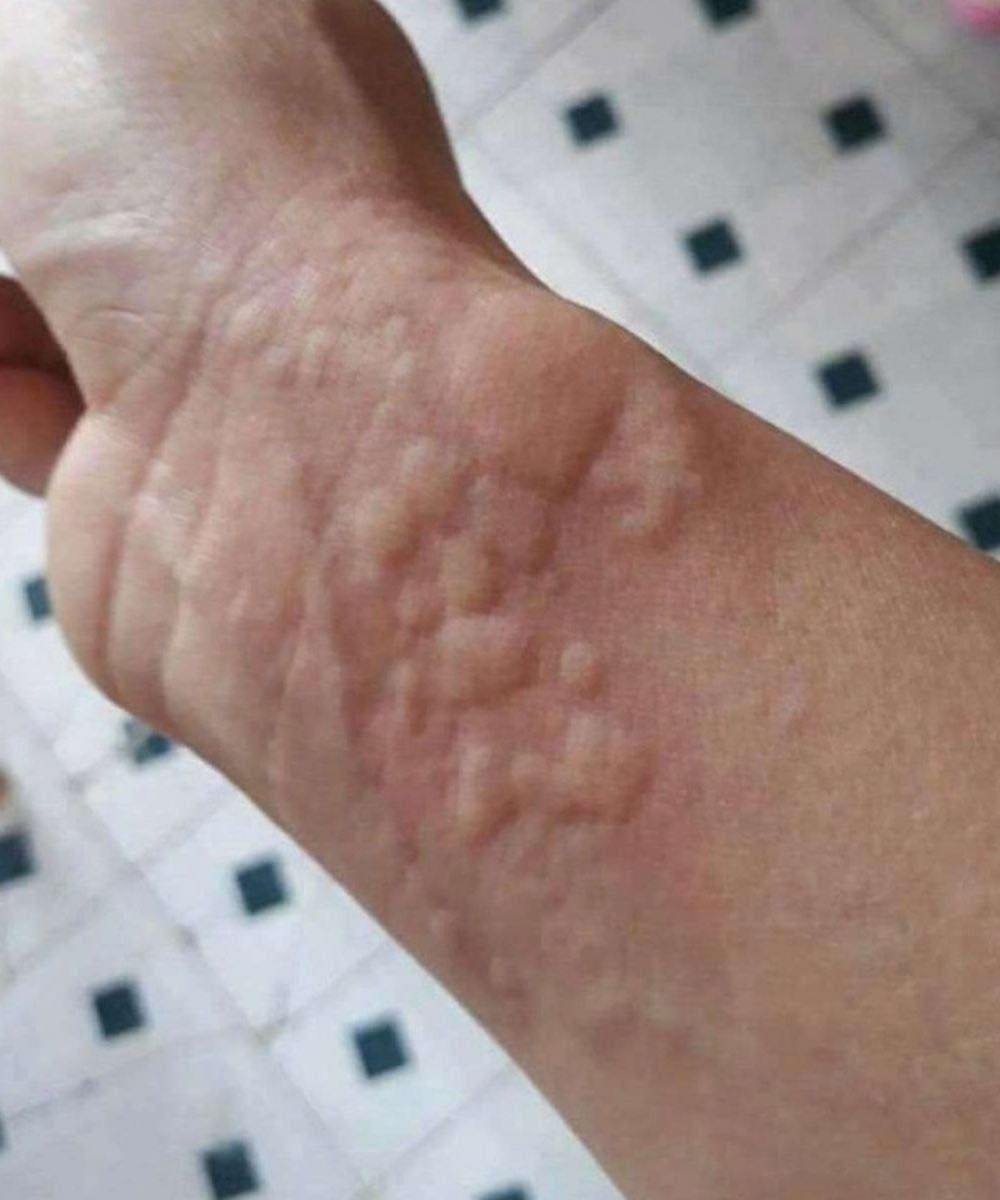
Most of us have noticed a strange bump or redness on our skin at some point in life. Often, we brush it off. We assume it will fade overnight, or we chalk it up to something we ate or touched. But there are moments when what appears on your skin is your body sending a much more serious message.
If you have ever noticed raised red welts on your skin appearing alongside any trouble breathing, this is a combination that deserves your full attention. Understanding why this happens — and what to do about it — could make a real difference for you or someone you love.
Understanding Hives: What That Redness on Your Skin Really Means
Hives, which doctors call urticaria, are one of the most common skin reactions people experience. They appear as raised, red or pink welts on the surface of the skin. Sometimes they are round. Other times they are irregular and spread across a wide area.
They often feel itchy or carry a mild burning sensation. They can pop up anywhere on the body: the arms, the chest, the neck, the face, or the legs.
What makes hives surprising is how quickly they can appear. One moment your skin feels normal. A short while later, you notice swelling and redness spreading across an area you hadn’t even touched. This sudden nature is one reason they can catch people off guard.
For many adults, particularly those over 60, hives may seem like something that happens to younger people or children. In reality, allergic skin reactions can occur at any age. In fact, older adults may sometimes experience new sensitivities that they never had earlier in life.
The immune system changes over time. What your body once tolerated easily may, later in life, trigger a reaction it did not before. This is one reason why hives in adults over 60 should never simply be dismissed as a minor irritation.
When Hives Are Harmless and When They Are Not
The truth about hives is that they exist on a wide spectrum. On one end, a mild hive reaction might come from brief contact with a plant, a soap, or a food your skin or body is slightly sensitive to. These reactions often fade within a few hours.
On the other end of that spectrum, hives can signal something far more significant happening inside the body. When hives appear as part of a broader allergic reaction affecting multiple body systems at once, they move from a surface-level inconvenience into a meaningful health concern.
The key question to ask yourself is simple: Are the hives appearing alone, or are they appearing alongside other symptoms, especially difficulty breathing?
This is the dividing line that matters most.
Breathing difficulty that accompanies hives is a combination that should be taken seriously without delay. This symptom pairing is one of the body’s clearest indicators that a significant allergic response may be taking place beneath the surface.
The medical term for this kind of full-body allergic response is anaphylaxis. It occurs when the immune system reacts intensely to something it perceives as a threat. The reaction spreads rapidly through the body rather than staying localized.
What begins on the skin can very quickly begin affecting the airways, the cardiovascular system, and other vital functions. This is not a slow process. In some cases, the progression from early symptoms to a serious situation can happen within minutes.
Knowing what symptoms to look for — and reacting quickly — is what matters most.
Symptoms That Signal the Need for Prompt Attention
When hives appear alongside any of the following symptoms, it is important to act without delay:
A feeling of tightness in the chest or throat is one of the most telling signs. It may feel like something is pressing on your airway. Even mild tightness should not be ignored when hives are also present.
Shortness of breath or a wheezing sound when breathing are also important signals. If breathing feels more difficult than usual, or if the breath has an audible wheeze, this warrants immediate action.
Swelling of the lips, the tongue, or the face is another symptom that often accompanies severe allergic responses. This type of swelling can narrow the airway if it progresses.
A sudden rapid heartbeat, dizziness, or feeling lightheaded can also accompany a significant allergic reaction. These symptoms suggest that the body’s systems are being affected beyond the skin.
Any combination of these symptoms appearing together with hives is a signal to treat the situation as a health emergency and seek help right away.
What Causes a Severe Allergic Reaction in the First Place
Anaphylaxis and severe allergic reactions are triggered by a wide range of substances. What makes this particularly important for adults over 60 is that a person can develop a new sensitivity at any age, even to something they have been exposed to many times before.
Food is one of the most common triggers. Peanuts, tree nuts, shellfish, fish, eggs, and milk are among the most frequent offenders. For some adults, a food they have eaten for decades can suddenly produce a reaction their body never showed before.
Medications are another common cause of allergic skin reactions in older adults. Antibiotics, certain pain relievers, and other commonly prescribed drugs can all trigger a reaction in some people. If you have recently started a new medication and notice unusual skin changes, that timing is worth noting.
Insect stings, particularly from bees or wasps, are a well-known trigger. For those who spend time outdoors gardening, walking, or simply sitting on a porch, this is a real consideration.
Environmental allergens including certain plants, pet dander, or latex can also be responsible. Latex sensitivity, for example, is more common than many people realize, and it can cause reactions that range from mild skin irritation to more serious responses.
In some cases, a person experiencing a significant allergic reaction may have no prior known allergy at all. This is one reason why the body’s warning signs must always be taken seriously, even if there is no known history of allergic reactions.
One of the most important things to understand about a significant allergic reaction is that time is genuinely important. The reaction does not plateau and wait for you to decide what to do. It continues to evolve.
Many people make the mistake of watching and waiting, hoping the symptoms will subside on their own. This instinct is understandable. No one wants to overreact to what might turn out to be something mild.
But once breathing is involved, waiting is not the right approach. What starts as tightness in the throat can progress. What begins as a mild wheeze can worsen. The body is asking for help.
For older adults, the stakes can be higher because the body’s resilience and ability to compensate for physiological stress may be reduced. This makes timely action even more important.
The single most valuable thing anyone can do in this situation is to act quickly and not minimize the symptoms.
What To Do If You or Someone Near You Has These Symptoms
If hives are appearing together with any breathing changes, the first step is to call emergency services. Do not drive yourself. Do not wait to see if it improves. Make the call.
If an epinephrine auto-injector, often known by the brand name EpiPen, is available and prescribed to the person, it should be used as directed. Epinephrine works by counteracting the body’s allergic response and can help stabilize the situation while waiting for emergency responders.
After using an epinephrine auto-injector, the person should still receive professional medical evaluation even if symptoms appear to improve. The reaction can sometimes return after an initial improvement, which is why continued monitoring is important.
While waiting for help, the person should ideally remain lying down with their legs slightly elevated, unless this position makes breathing more difficult. If breathing feels better sitting upright, that position may be more comfortable.
Keep the person calm and still. Avoid giving them anything to eat or drink. Stay close, watch the symptoms closely, and communicate the details clearly to emergency responders when they arrive.
Not every rash or skin reaction signals a severe allergic response. There are many conditions that produce red patches, bumps, or raised welts on the skin without any broader danger.
Mild contact dermatitis, for example, happens when the skin reacts to a specific irritant like a cleaning product, a fragrance, or a piece of jewelry. This kind of reaction tends to stay localized and does not involve the airways.
Chronic hives, known as chronic urticaria, can also produce recurring skin reactions that are uncomfortable but not necessarily dangerous. These often require evaluation by an allergist to identify and manage the underlying cause.
Certain infections can also produce skin rashes that look similar to hives. These are typically accompanied by other signs of illness such as a low-grade fever, fatigue, or muscle aches.
Heat rash, which is common among older adults, can also produce red bumps that resemble hives but are simply caused by sweat glands becoming briefly blocked.
In all of these cases, the distinguishing factor remains the same: is there any difficulty breathing? If the answer is yes, the situation requires immediate attention regardless of what is causing the skin reaction.
Taking Care of Your Skin and Allergy Health After 60
For adults over 60, managing skin health and staying aware of allergy triggers is a meaningful part of overall wellness. There are practical steps that can help.
If you know you have a history of allergic reactions, talking with your doctor about an epinephrine auto-injector prescription is a worthwhile conversation. Having one on hand gives you and your loved ones an important option in a fast-moving situation.
Keeping a simple record of any skin reactions you experience, including what you ate, what you touched, or what environment you were in beforehand, can help identify patterns. Sharing this information with your doctor or an allergist can lead to more specific guidance.
Wearing a medical alert bracelet if you have a known severe allergy is a step many adults find reassuring. It communicates critical information to first responders if you are unable to speak for yourself.
Regular check-ins with a healthcare provider about any new medications, supplements, or dietary changes can also help flag potential allergy risks before they become a problem.
Your skin is often one of the first places the body shows that something needs attention. Red patches, hives, and unusual skin changes are worth paying attention to, not dismissing.
When those skin changes are accompanied by any change in breathing, the message your body is sending becomes urgent. Responding quickly and calmly is the most powerful thing you can do.
For older adults especially, building awareness of these warning signs is a simple but meaningful form of self-care. You do not need to be fearful. You simply need to be informed and ready to act.
Share this information with the people you care about. The more people understand what hives combined with breathing changes can mean, the better prepared everyone around you will be if the situation ever arises.