
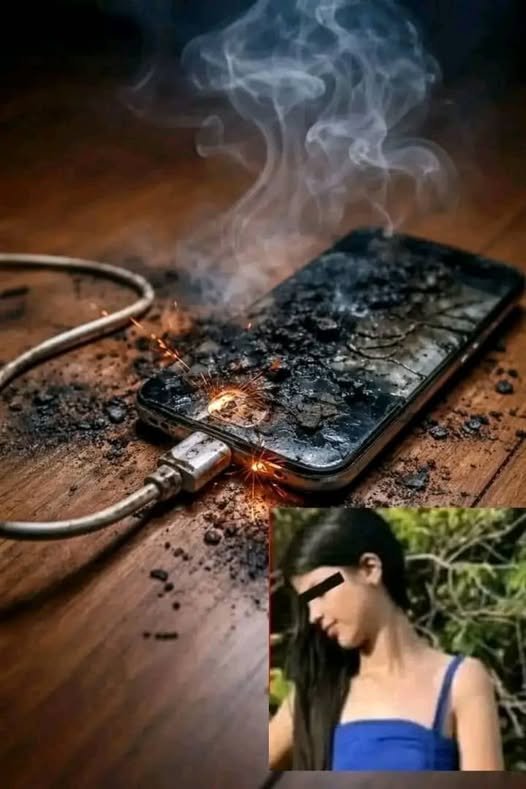
Charging a device involves the transfer of electrical current from a power source to a battery. When functioning properly, this process is safe. However, issues arise when:
Cables are bent, frayed, or improperly handled
Devices are charged in unsafe environments
These factors can lead to overheating, short circuits, or in rare cases, electrical fires.
It’s important to understand that most modern devices are designed with built-in safety mechanisms, but these protections can fail when external components—such as chargers or extension cords—are faulty or substandard.
Consider a common household situation. A family uses a single power strip to connect multiple devices: a television, internet modem, fan, and a mobile phone charger. Due to limited outlets, this setup may seem convenient.
Now imagine the charger being used is not original or certified. Over time, its cable becomes worn and slightly damaged. To keep it working, the cable is bent or adjusted into a specific position.
In such a case, several risk factors combine:
Restricted airflow around the power strip
These conditions can generate excessive heat. If the heat is not dissipated properly, it can damage surrounding materials and potentially start a fire.
While such incidents are not everyday occurrences, they are entirely preventable with proper awareness and precautions.
Common Mistakes People Make While Charging Devices
Many unsafe practices are surprisingly common. Here are some of the most frequent mistakes:
Frayed or bent cables expose internal wires, increasing the risk of short circuits or electric shocks.
2. Buying Low-Quality or Counterfeit Chargers
Uncertified chargers often lack proper insulation and safety features, making them unreliable.
Plugging multiple high-power devices into a single extension can exceed its capacity.
Placing phones or chargers on beds, sofas, or cushions can trap heat and prevent ventilation.
5. Leaving Chargers Plugged In Continuously
Even when not actively charging a device, plugged-in chargers can generate heat over time.
Unusual heat, burning smells, or sparks should never be ignored.
Recognizing early warning signs can help prevent accidents. Watch out for:
A charger that becomes excessively hot during use
Visible damage such as cracks or exposed wires
A loose connection between the charger and the device
Intermittent charging that requires adjusting the cable
If you notice any of these signs, stop using the charger immediately and replace it with a certified alternative.
Adopting a few simple habits can significantly reduce risks:
Always purchase chargers from reputable brands or certified manufacturers. While they may cost more, they offer better protection and durability.
Make it a habit to check your charging cables for wear and tear. Replace them at the first sign of damage.
Distribute devices across multiple outlets instead of relying on a single power strip.
Keep chargers and power strips in open areas where heat can dissipate easily.
Disconnect chargers when they are not actively charging a device.
Avoid placing chargers near curtains, bedding, or other materials that can easily catch fire.
Not all electrical accessories are created equal. Investing in high-quality equipment can make a significant difference in safety. Look for:
Certified safety marks (such as CE, UL, or equivalent standards)
Reliable equipment reduces the likelihood of overheating and electrical failure.
Many viral posts exaggerate risks to capture attention. Headlines such as “Never charge your phone like this” often lack context and can cause unnecessary fear.
While it’s true that unsafe charging practices can be dangerous, it’s equally important to:
Responsible awareness is far more effective than fear-based messaging.
What to Do in Case of an Electrical Issue
Disconnect the power source immediately (if safe to do so)
Use a fire extinguisher designed for electrical fires
Contact emergency services if the situation escalates
Being prepared can help minimize damage and ensure safety.
Electrical safety is not just about devices—it’s about habits. Encourage all household members to:
Avoid makeshift fixes for damaged chargers
Understand the importance of proper electrical use
Small changes in daily behavior can have a lasting impact on safety.
Charging a device is a routine activity, but it should never be taken for granted. While dramatic online stories may exaggerate risks, they often stem from real issues related to poor electrical practices.
By using certified equipment, maintaining your devices, and following basic precautions, you can significantly reduce the risk of electrical hazards in your home.
Avoid using damaged or low-quality chargers
Stay informed, but avoid unnecessary panic